Human Leg with Bleeding Wound. Medical I
As a designer and embroidery product reviewer, I’ve evaluated countless machine embroidery designs over the years. Some are ideal for everyday use, while others serve niche or specific purposes. Human Leg with Bleeding Wound. Medical I is one of those designs that demands careful consideration before being used in any project. It’s not a typical floral pattern or cartoon character—it’s a medical illustration, and that changes everything.
The First Impression: A Bold, Graphic Statement
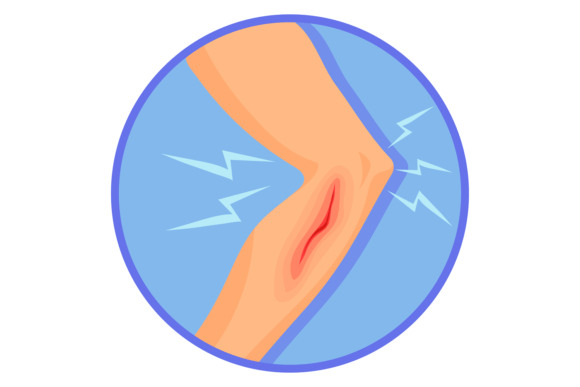
When I first saw Human Leg with Bleeding Wound. Medical I, I was struck by its stark visual impact. The design is isolated on a white background, which makes it highly versatile for digital use. But when translated into embroidery, the boldness of the image becomes even more pronounced. The bleeding wound is clearly defined, the leg is anatomically accurate, and the overall composition is clean and professional.
This isn’t a design you’d randomly choose for a casual project. It has a strong visual personality and an unmistakable mood. It’s graphic, detailed, and somewhat intense. That makes it perfect for certain applications—like educational materials, medical training tools, or themed apparel—but less so for general use.
Real-World Use Cases: Where This Design Fits Best
Imagine you’re designing a custom embroidered tote bag for a medical school fundraiser. Or perhaps you’re creating a sweatshirt for a healthcare worker who wants a unique piece of personal expression. In these scenarios, Human Leg with Bleeding Wound. Medical I could work well. It’s a strong visual that can command attention and spark conversation.
It also fits nicely as an embroidered patch for a jacket or backpack. The high level of detail means it will stand out, especially on darker fabrics where the contrast between the wound and the surrounding area is more visible. For baby items, though, this design might be too intense. It’s not something you’d want to see on a onesie or a blanket unless it’s part of a very specific theme.
Challenges in Embroidery: What to Watch For
While the design is visually striking, it presents several challenges when it comes to actual embroidery. The intricate details require precise stitching, which means higher stitch density and potentially longer embroidery time. If you’re using a small hoop, you may need to break the design into sections to ensure accuracy.
Fabric texture also plays a role. On thin or stretchy materials, the design might not hold up as well. You’ll need to use the right stabilizer to prevent distortion, especially around the wound area. Thread color contrast is another factor—make sure the colors you choose match the original design and don’t fade or bleed during the process.
Where This Design Might Not Work
There are some situations where Human Leg with Bleeding Wound. Medical I would be inappropriate or impractical. For example, if you’re working with a textured fabric like fleece or knits, the design might not look as clean. Similarly, on dark backgrounds, the white elements of the design could appear too bright or unbalanced.
Small hoop sizes can also be a problem. If you’re trying to stitch the entire design in one go, you may find that the detail is lost or the stitches become too dense. This is especially true for areas with fine lines or sharp corners. You’ll need to test the design on scrap fabric before committing to a final project.
Designer Notes: Practical Tips for Using This File
If you’re planning to use Human Leg with Bleeding Wound. Medical I in your embroidery projects, here are a few key tips:
- Test the design on scrap fabric first. This will help you understand how it looks and behaves in real-world conditions.
- Check thread color contrast. Make sure the colors you choose complement the original design and look good on your chosen fabric.
- Review stitch density. High-density areas may need additional stabilizer or slower stitching speeds.
- Confirm hoop size requirements. If the design is large, you may need to split it into sections for easier hooping.
- Inspect small details. Pay close attention to the wound and other fine lines to ensure they come out clearly.
- Test in black and white mockups. This helps you see how the design will look without color distractions.
- Compare light and dark fabric backgrounds. The design may look different depending on the fabric color.
- Use proper stabilizer. This is crucial for maintaining the integrity of the design, especially on delicate or stretchy materials.
Commercial Use and Licensing Considerations
If you're an Etsy seller or a small shop owner planning to sell finished products featuring Human Leg with Bleeding Wound. Medical I, it’s important to check the licensing terms. While the design is available in multiple formats (EPS, JPG, SVG, transparent PNG), the rights to use it commercially may vary.
Always confirm whether the design is suitable for both personal and commercial projects. If you're selling digital embroidery files, make sure you have the appropriate permissions. This design is not something you want to risk in a legal sense.
Final Thoughts: A Design for the Right Audience
Human Leg with Bleeding Wound. Medical I is not a design for everyone. It’s not meant for casual use or general-purpose embroidery. Instead, it’s a specialized graphic that works best in niche markets, educational settings, or for clients looking for something truly unique.
If you’re a designer or embroiderer who values precision, detail, and purpose, this could be a valuable addition to your library of machine embroidery designs. But it requires thoughtful application, careful testing, and a clear understanding of where it belongs.